Project #40: Moving from single LLM prompts to multi-agent systems
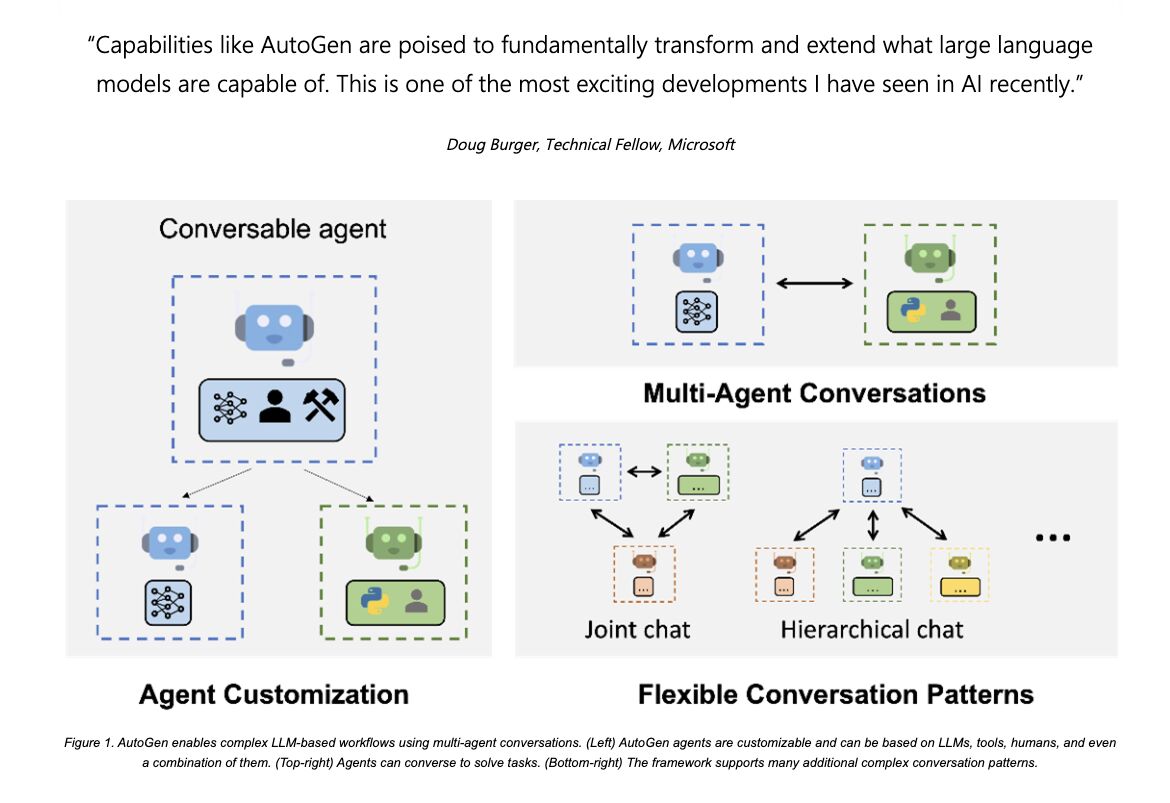
When large language models first gained traction in enterprise software, the most obvious use cases were single-turn text operations: summarization, tone analysis, writing assistance, and conversational screening. Our team built and tested several of those early capabilities, including an AI interviewer, but we quickly realized that single prompts were only the surface layer.
That led to an internal R&D initiative we called Project #40. Instead of treating an LLM as a single chatbot, we designed a layer of specialized autonomous agents that could communicate, collaborate, and critique each other’s outputs through structured JSON schemas.
At the time, concepts like AutoGPT were just emerging as experimental scripts. Our goal was to push multi-agent orchestration into a deterministic software architecture for the jobtech domain, where one agent could propose a structured output, another agent could validate it against domain rules or candidate constraints, and a coordinator could refine the result before anything reached the user.
Looking back, the hardest part wasn’t the engineering, it was communicating the strategic value internally before the industry had a shared vocabulary for agentic workflows. It is easy as an engineer or innovation leader to get stuck at the “look at what this technology can do” stage rather than anchoring it in concrete operational metrics.
Seeing frameworks like Microsoft Research’s AutoGen formalize multi-agent conversation patterns confirms that structured agent collaboration is where production AI engineering is headed.